The Facts
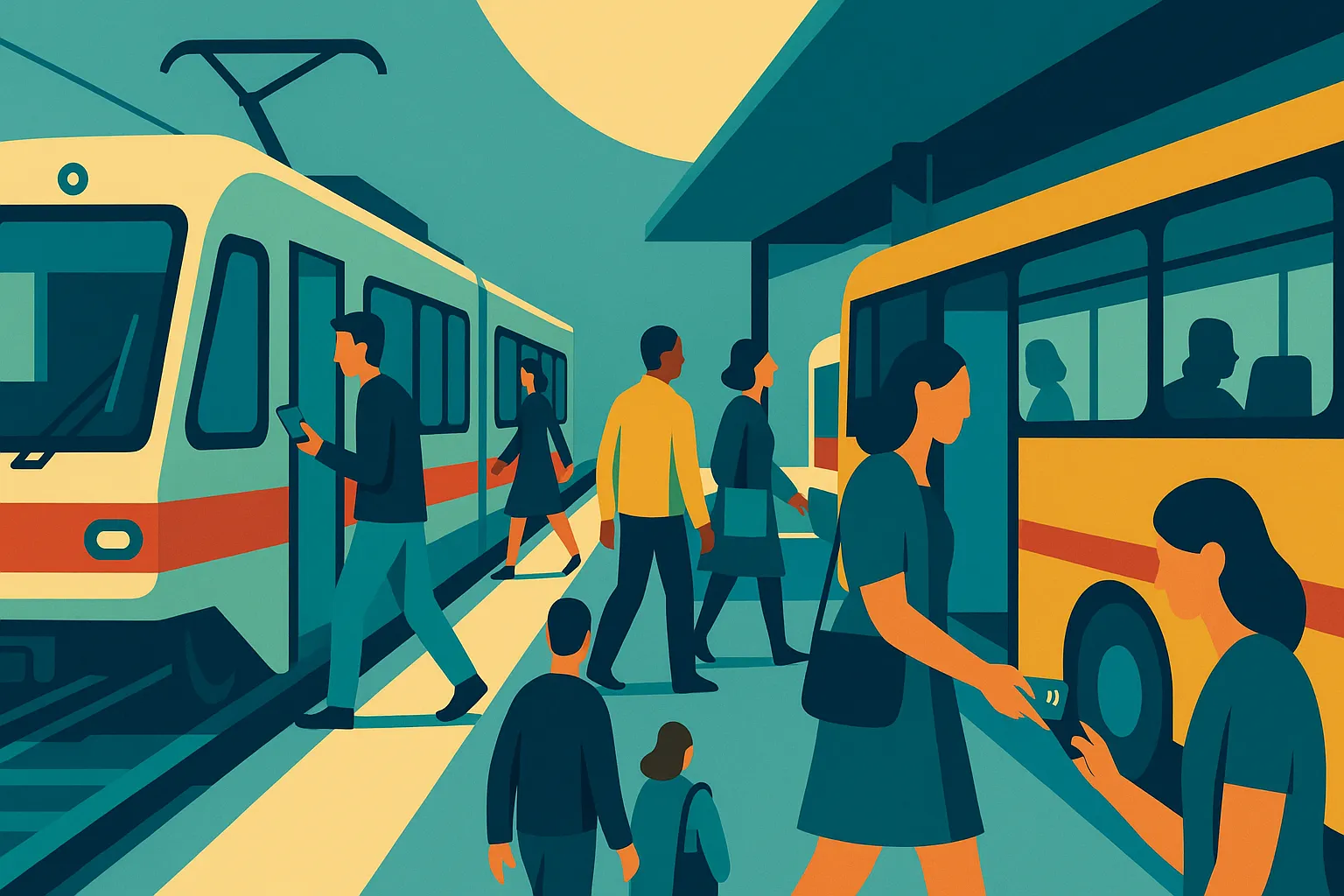
The Metropolitan Transportation Commission’s “Next-generation Clipper” launched on December 10, adding discounted transfers of up to $2.85 within two hours, instant fund loads, tap‑to‑pay with credit/debit cards, family accounts, and online youth/senior applications, per Chloe Veltman at KQED. Existing cards—about 5 million—will be upgraded in batches over 8–12 weeks unless riders manually start the process via clippercard.com or customer service.
The Context
For years, riders effectively paid a new fare every time they switched agencies, a byproduct of the Bay Area’s 20+ separate operators. MTC’s fare‑integration program now treats one multi‑agency trip as a single journey with discounted transfers, as outlined in its Transit Fare Coordination & Integration plan. This rolls out while BART, Muni and other agencies face a projected $3.7 billion operating shortfall by 2031, according to Dan Brekke at KQED.
The GrowSF Take
Next-generation Clipper is a big, overdue win for riders. Discounted transfers, instant reloads, and simple tap‑to‑pay finally treat a multi‑agency commute as one coherent trip instead of a patchwork of separate fares.
This kind of rider‑first design makes transit more attractive for everyday trips—getting to work, running errands, going out at night—and moves the Bay Area closer to a truly seamless regional network. The more we align fares and simplify payment, the easier it becomes for people to leave the car at home and rely on fast, frequent, integrated transit.
Generate a Personalized Email to the Board of Supervisors
To:
Sign up for the GrowSF Report
Our weekly roundup of news & Insights