
Supervisor, District 2
We recommend voting for Stephen Sherrill in District 2.
Sherrill brings a lot of professional policy-maker and political experience to the table, along with a laser focus on responsive and effective governance. He served as senior policy advisor in the Bloomberg administration in New York City, led the Mayor's Office of Innovation here in San Francisco, and as District 2 Supervisor he has cut red tape and focused on helping small businesses, improving public safety, and lowering the cost of living. Through it all, Stephen has shown a consistent commitment to excellence in public service and government accountability.
We feel he's done a great job as Supervisor and are excited to see him continue to work alongside Mayor Lurie and his fellow Board members to get San Francisco back on track.
Without safe streets, parents won't let their kids walk to school, businesses can't keep their doors open, and people lose faith in the city. Rebuilding that trust starts with visible results like cleaner sidewalks, faster responses when people call for help, and better coordination across city departments to address public drug use and improve street conditions.
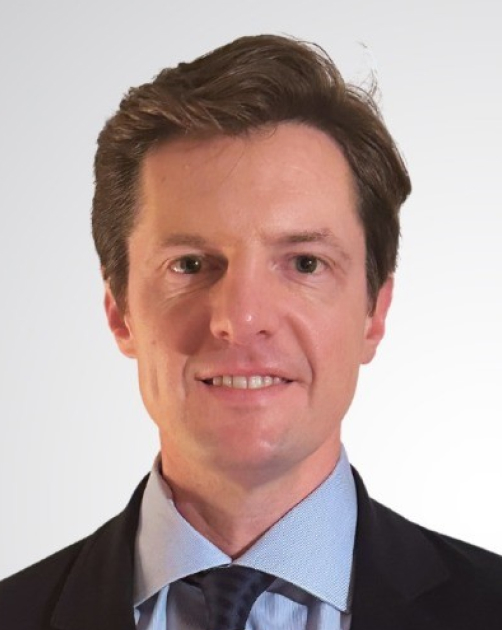
Stephen SherrillSupervisor, District 2
Why vote for Stephen Sherrill?
Stephen's top policy goals are:
1. Public Safety
Sherrill's top policy priority is public safety, and he's delivered several key victories:
He co-sponsored and passed a resolution to speed up 911 responses to reports of illegal activity near schools, parks, and playgrounds, ensuring that these vital areas don't get neglected.
Sherrill also co-sponsored Mayor Lurie's RV homelessness legislation, ensuring encampments blocking sidewalks, streets, and alleys are regulated with coordinated outreach and clear rules - helping to unblock enforcement of these rules.
Supervisor Sherrill supported more sober housing for people in recovery via the Recovery First ordinance, which supports greater investment in sober living facilities across the city. In his own words, people using drugs in public should "be directed into treatment and services, and moved off the sidewalks so that families and businesses are not forced to live with open air drug use." And he also supports expanding involuntary holds for people who do not have the mental capacity to care for themselves, either due to mental illness or substance abuse. He notes these holds must include clear medical standards for intervention, judicial oversight, transparency and accountability to prevent abuse or neglect.
Finally, to prevent tragedies, he led the city's new free firearm storage program, partnering with SFPD to allow residents to store firearms securely and at no cost at police stations.
2. Small Business
In Supervisor Sherrill's district, several commercial corridors have extremely high vacancy rates, leaving them blighted and hurting the businesses that have managed to hold on, like Van Ness from City Hall north to Broadway — a stretch with 53% ground-floor vacancy. To help, he introduced a plan to make it easier for chain stores to fill these longtime vacant spaces which local businesses don't want. The ordinance passed unanimously, opening the doors to new stores.
To support local businesses and people who want to start a business, he helped extend the "First Year Free" program which waives costly city fees for new businesses. To date it's helped over 11,000 local businesses.
3. Good Governance
Sherrill has long been an advocate for government accountability and effectiveness. He's criticized city hall for letting delays and opaque processes drag on for years, and has called for performance dashboards, departmental scorecards, and real consequences for missed goals.
He brought that ethos to bear during his time leading the Mayor's Office of Innovation. He broke through departmental barriers to build the All Street Integrated Database (ASTRID), which integrates data from nine street teams across four city departments. ASTRID provided, for the first time, homeless outreach workers with comprehensive, up-to-date information on the people they encounter and their history across teams and departments. People got better care, the city worked faster, and taxpayers saved money. A win-win-win.
Sherrill runs his own office with a focus on data - he measures his success by constituent satisfaction, with a focus on accessibility, accountability, and follow through.
How the candidates compare
| Issue | Stephen Sherrill | Lori Brooke |
|---|---|---|
| Supports Mayor Lurie's Family Zoning Plan | Yes | No |
| Supports building market-rate homes | Yes | No |
| Supports Marina Safeway redevelopment | No | No |
| Fully staff the police department | Yes | Yes |
| Improve Muni reliability | Yes | Unclear |
| Endorsed by Mayor Lurie | Yes | No |
| Endorsed by SF Democratic Party | Yes | No |
On other issues
Affordability & Families: Stephen highlights the four-pronged issues of affordability - housing affordability, quality public education, great public transportation (safe, clean, and reliable), and affordable childcare. He has been vocal about making this city affordable for families by expanding the childcare subsidy to middle class households and by fixing zoning rules that ban daycares in many parts of the city. Additionally, to bring workers back downtown, he's exploring creating a new childcare subsidy for all downtown workers - regardless of residency.
Housing: Stephen supports streamlining building approvals, reducing CEQA friction for moderate-density developments, and capping discretionary appeals. He argues one of the biggest barriers is "the little hindrances" around permitting rather than outright opposition to construction. He also supported office-to-residential conversion incentives, legislation passed unanimously in 2025, which unlocks funding and tools to transform vacant downtown office space into housing.
Transportation & Safe Streets: He supports reintroducing Vision Zero–style safe design measures and voted to adopt the new Street Safety plan. During Board deliberations, he noted that 12% of city streets are responsible for 68% of severe crashes, and pushed for hardened daylighting, curb extensions, and speed hump installation. He voted in support of adopting the new Street Safety plan, and at the Board hearing pointed to data showing how a small share of streets cause the most severe crashes — pushing agencies to prioritize interventions like daylighting, curb extensions, and speed humps.
Fiscal Discipline: Stephen believes the city has overpromised and underdelivered; his approach emphasizes small, evidence-backed pilots and scaling only once metrics prove success.
Who's running?
| Candidate | Profession | Questionnaire | |
|---|---|---|---|
Lori Brooke 羅莉‧布魯克 | Candidate | Declined to fill out the questionnaire |