November 3, 2026 General Election
Updated: October 12, 2026We love San Francisco.
So we’re fighting for it.
- Build enough housing to end the affordability crisis
- Clean, safe streets and fully staffed police
- Treatment and care for the drug crisis
- A faster, more transparent City Hall
Our Endorsements

San Francisco
Candidates
Ballot Measures
San Francisco is turning a corner but the work isn’t done.
We have one-vote majorities on both the Board of Supervisors and the Board of Education. That’s why San Francisco is moving forward right now. There’s more work still to do.
Bay Area
Ballot Measures
California
Candidates
Ballot Measures
The November 3, 2026 General Election features important contests that will shape San Francisco's future.
How To Vote
Voting for the November 3, 2026 General Election will begin approximately 29 days before Election Day. You should receive your mail-in ballot a couple days before or after voting begins. Once voting begins, you can:
Vote by mail
- Mail your ballot no later than Tuesday, November 3rd, 2026
- If you missed mail pickup, drop off your ballot at your local polling place, or in any city ballot dropbox by 8pm on Election Day
Vote in person
- Vote at City Hall on weekdays starting October 5 (except October 12), and on the weekends of October 24-25 and October 31-November 1
- Vote at your local polling place on Election Day, Tuesday November 3, 2026, from 7 am to 8 pm
Sign up so you don't miss our latest voter guide updates!
Explaining our endorsements
San Francisco
We recommend voting for Phil Kim, Autumn Brown Garibay, and Tim Tung for Board of Education.
Voters may cast votes for up to 3 candidates in this race, and we think these three should earn your vote.
SFUSD has climbed from a "negative" budget certification to "qualified" and brought algebra back to 8th grade after a 12-year ban. But reading and math proficiency remain among the lowest in California, the district has made no progress on the literacy and math goals it set for itself in 2022, and the overhaul of student assignment has slipped to 2028-29. Three seats are open, and these three candidates each bring something the Board needs.
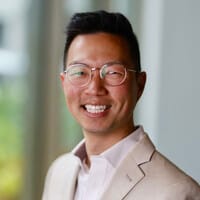
Phil Kim
Phil is a former public school teacher who led STEM policy across 20+ states and 300+ schools, and his colleagues elected him Board President unanimously in January. Since joining in 2024 he has pushed the district toward things you can measure. He was the deciding vote that brought algebra back to 8th grade, and he made fiscal sustainability part of how the superintendent is evaluated, helping move SFUSD out of the budget hole that nearly cost teachers their jobs.
"We are seeing literacy and math outcomes improving for the first time in years, even as we underwent significant budget reductions last year."
Phil KimBoard of Education President
Autumn Brown Garibay
Autumn is a public school parent of three and a former PTA president who still serves on her school's executive team. Most of what she has done for SFUSD families is unglamorous and useful: walking parents through the enrollment lottery, aftercare, special education, and the mid-year staffing changes nobody warns you about.
That work led her to a question: if literacy and math are SFUSD's top priorities, what are the plans to improve them? She read the school achievement plans looking for the answer. It isn't there.
In my preliminary review of school site plans, I am not seeing a clear line of sight between SFUSD's district-wide goals and the SPSAs [School Plans for Student Achievement] schools are being asked to develop.
Autumn Brown GaribaySFUSD Parent / Former PTA President
](/_next/image/?url=%2Fmedia%2Fautumn-headshot.png&w=3840&q=80&dpl=dpl_8SksBLC8T3EM7XSzqfhi3hNTmYpp)
That's how a district announcement fails to turn into progress, and exactly what she'd fix. She'd push on both problems she knows first-hand: enrollment that families can navigate without insider knowledge, and goals that are traceable into the site plans, budgets, staffing, and teacher training meant to deliver them.
Tim Tung
Tim has 20 years of experience auditing and balancing budgets, exactly the expertise the district needs to solve its budget crisis. He started in the City of San Jose's finance department, building the scenario models the city used to close structural deficits through the 2008 crash. He then spent 12 years at S&P Global Ratings reviewing the budgets and long-term forecasts of hundreds of local governments, testing what officials promised against what they actually delivered, and downgrading the ones that fell short. Today he chairs San Francisco's Citizens' General Obligation Bond Oversight Committee, which audits how the City spends its bond money.
He is also an SFUSD parent who chairs his school's site council. He wants to stop the delay on zone-based student assignment and build a real reserve before the teacher-pay parcel tax expires in 2038.
Policy without rigorous oversight is simply a wish list.
Tim TungBond Oversight Committee Chair
](/_next/image/?url=%2Fmedia%2Ftung-headshot.png&w=3840&q=80&dpl=dpl_8SksBLC8T3EM7XSzqfhi3hNTmYpp)
Together, these three are a dream team: an educator who put algebra back in 8th grade, a parent who caught the district promising one thing and planning another, and an auditor who balanced city budgets through the 2008 crash.
Who's running?
| Candidate | Profession | Questionnaire | |
|---|---|---|---|
Autumn Brown Garibay奧頓‧布朗‧加里貝 | Public School Parent | Read it | |
Phil Kim菲爾金 | School Board President | Read it | |
Tim Tung湯泰利 | Public Finance Analyst | Read it | |
Virginia Cheung張麗娜 | Nonprofit Executive / Mother | Read it | |
Alida Fisher阿莉達 斐義莎 | School Board Member | Read it | |
Ryan Hazelton萊恩‧海澤爾頓 | Children's Nonprofit Director | Read it | |
Laurance Lee林灼世 | General Contractor | Read it | |
Reina Tello蕾娜‧特略 | Community Organizer / Parent | Read it |
We recommend voting for Sara Barz for BART Board, District 8.
We endorsed Barz for the Democratic County Central Committee in March 2024, and this is the job her career has been pointed at the whole time. She co-founded Seamless Bay Area to push the region's agencies to work as one system rather than two dozen fiefdoms, and co-authored SPUR's 2015 report making that case. She worked on Clipper and the Clipper START low-income fare discount at MTC, and has spent the years since at Apple putting transit cards into Apple Wallet across North America and Europe. All of it is what riders use on every trip: how you pay and how you get through the gate.
That matters more than usual right now. If the regional transit measure fails in November, BART's own board materials lay out a 63% cut in train hours, a 30% fare increase, a 9 p.m. shutdown, and ten station closures starting in January 2027.
She is specific about what she would do with the seat. She supports the new fare gates and still wants them fixed, because the lines they create at rush hour are their own problem. She would expand the transit ambassador program as the cheapest way to put more staff where riders can see them. She wants BART's outreach contracts tied to results, pointing to the $350,000 contract an audit found had gotten one person into treatment over two years. And she wants BART to stop treating ground leases as its whole development strategy and win state authority to capture more of the value its stations create.
BART needs to do its part to address the shortage of affordable homes, but it also doesn't benefit low-income workers to build transit-oriented housing next to a transit system that can't afford to run transit.
Sara BarzCo-founder, Seamless Bay Area
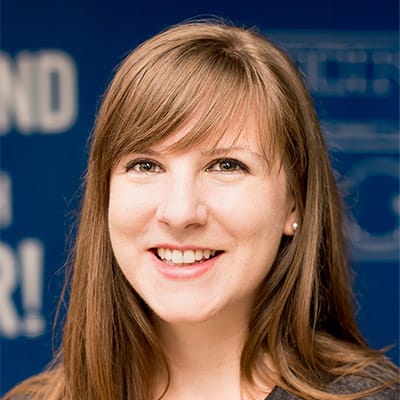
BART's next board will spend its term on budgets, contracts, and whether riders come back. Barz has spent her career on exactly that.
Who's running?
| Candidate | Questionnaire | |
|---|---|---|
Sara Barz莎拉‧巴爾茲 | Read it |
We recommend voting for Stephen Sherrill for Supervisor, District 2.
Sherrill brings real policy experience and a laser focus on responsive, effective government. He served as a senior policy advisor in the Bloomberg administration in New York, led the Mayor's Office of Innovation here, and as Supervisor has cut red tape while focusing on public safety, small businesses, and the cost of living. District 2 agrees: he won 69% of the vote in June, and he faces no serious opposition in November.
Without safe streets, parents won't let their kids walk to school, businesses can't keep their doors open, and people lose faith in the city. Rebuilding that trust starts with visible results like cleaner sidewalks, faster responses when people call for help, and better coordination across city departments to address public drug use and improve street conditions.
Stephen SherrillSupervisor, District 2
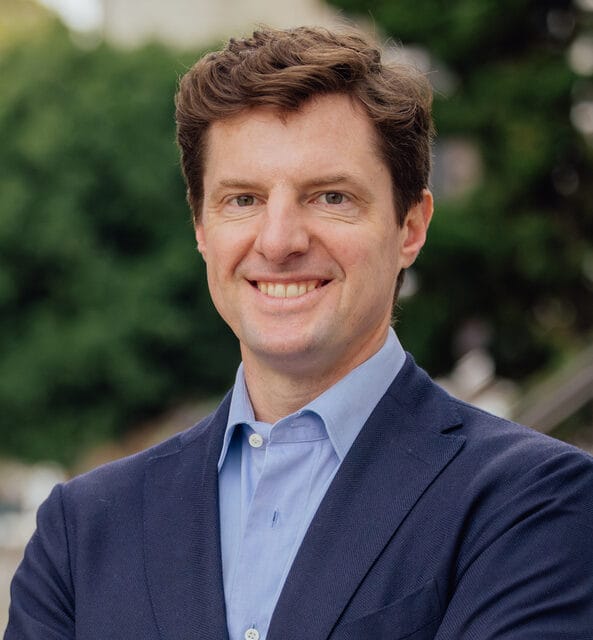
Why vote for Stephen Sherrill?
Public safety: Sherrill co-sponsored legislation to speed up 911 responses near schools and parks, co-sponsored Mayor Lurie's RV homelessness legislation, supported the Recovery First ordinance expanding sober housing, and led the city's new free firearm storage program with SFPD.
Small business: Van Ness from City Hall to Broadway has 53% ground-floor vacancy. Sherrill's plan to let stores fill those longtime-vacant spaces passed unanimously, and he helped extend the First Year Free program, which has waived startup fees for over 13,000 small businesses.
Making government work: When he ran the Mayor's Office of Innovation, his team built the technology that finally let San Francisco's nine street outreach teams across four departments share one view of the people they serve: better care, faster service, lower costs. He runs his own office the same way, measuring success by constituent satisfaction and follow-through.
Where Stephen Sherrill stands
| Issue | Stephen Sherrill |
|---|---|
| Supports Mayor Lurie's Family Zoning Plan | Yes |
| Supports building market-rate homes | Yes |
| Fully staff the police department | Yes |
| Improve Muni reliability | Yes |
| Endorsed by Mayor Lurie | Yes |
| Endorsed by SF Democratic Party | Yes |
Sherrill has done a great job as Supervisor, and we're excited to see him keep working alongside Mayor Lurie to get San Francisco back on track. That's why he has our endorsement.
Who's running?
| Candidate | Profession | Questionnaire | |
|---|---|---|---|
Stephen Sherrill史蒂芬‧謝里爾 | Appointed Member, Board of Supervisors | Read it | |
Nicholas Berg盧柏格 | Property Management Executive | Read it | |
Guy McCoy蓋伊‧麥考伊 | Contact information unavailable | ||
Monthanus Ratanapakdee蒙塔努斯‧拉塔納帕迪 | Community Advocate / Mother | No Response |
We recommend voting for Alan Wong for Supervisor, District 4.
Wong was appointed by Mayor Lurie in December 2025, chosen from five finalists in an open process, and won the June special election with 46% of first-choice votes in a five-candidate field, nearly double his closest rival, and finished with 64.3% in the final ranked-choice round. He grew up in the Sunset, attended Lincoln High, and came to the job with a long record of public service: labor organizer, legislative aide to a former D4 Supervisor, policy lead at the Children's Council of San Francisco, Community College Board Trustee, and First Lieutenant in the Army National Guard.
The Sunset is the community I love and the only home I've ever known. Serving as Supervisor is the greatest honor of my life. I will approach this work with a public servant's heart. As a veteran, I will always put my community and my country first—above partisanship or ideology.
Alan WongSupervisor, District 4
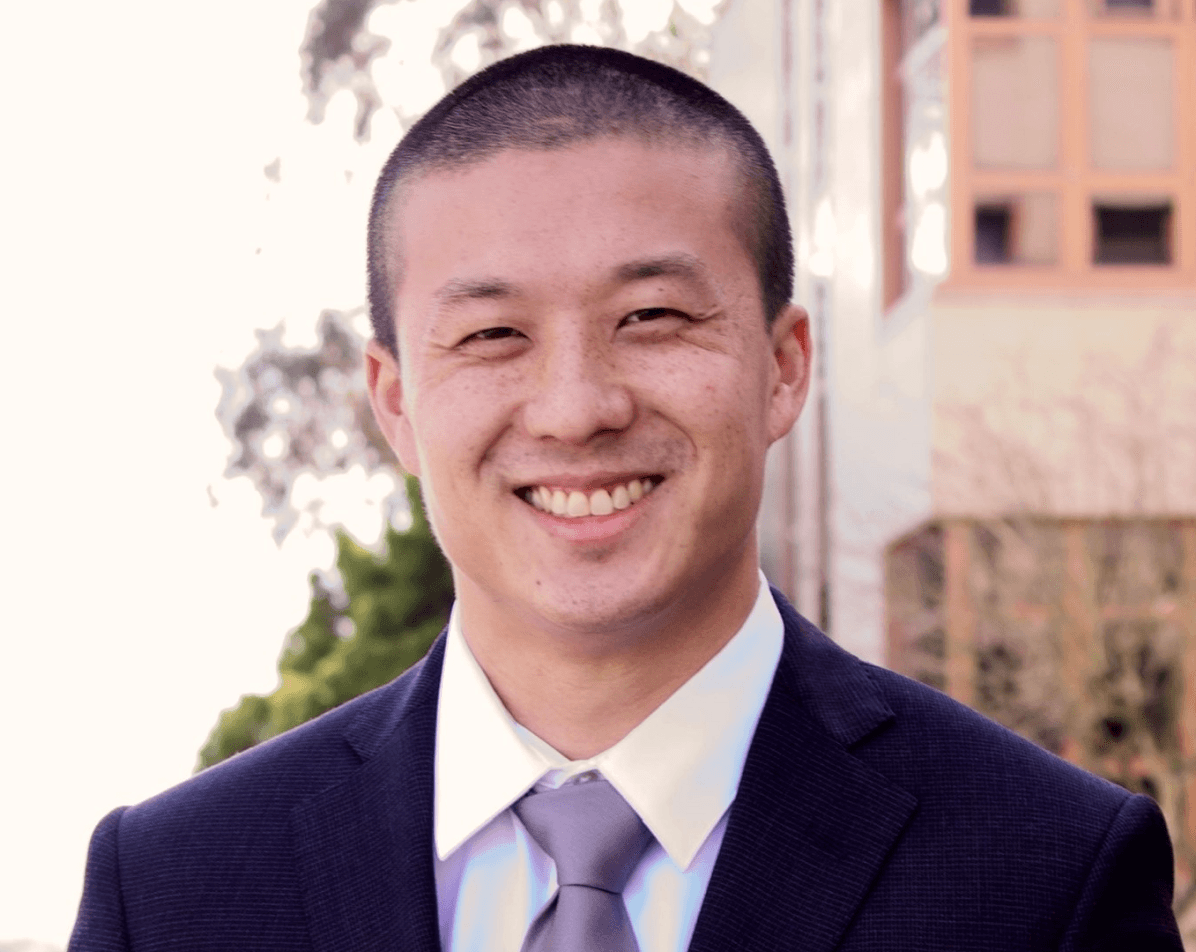
What he's done in office
In less than a year, Wong has built the record we hoped for:
- His first vote was for Mayor Lurie's Family Zoning Plan, breaking with the district's anti-density history. He said blocking it risked "losing local control, which is not acceptable."
- He co-sponsored doubling the maximum fine for sideshows after one took over Kirkham and La Playa, matching Oakland's and San Jose's penalties.
- He co-sponsored accepting a $6.25M federal grant that funds 50 police officer positions, a police retention agreement, and Supervisor Dorsey's drug-free supportive housing legislation.
- His office is helping Sunset residents petition SFMTA to convert streets to angled parking, adding spaces without slowing the buses.
The Great Highway
Wong's first act in office was submitting a ballot measure to re-open the Great Highway, reflecting the majority view in his district. It fell one Board signature short. That effort has since been superseded by the citizen-led Great Highway for Everyone Act, which would reopen the road to cars on weekdays while keeping it car-free on weekends. Organizers submitted more than 15,000 signatures in July, well above the roughly 10,600 required to reach the November ballot, and Wong supports the measure.
His priorities for a full term
A fully staffed police force, with recruitment aimed at bilingual officers who speak Cantonese, Mandarin, and Spanish, and desk jobs moved to civilians so sworn officers return to patrol. Responsive government: he dedicates half his staff time to constituent services and commits to answering any constituent concern within 24 hours. And a small business agenda that replaces the "byzantine maze" of permits with a straightforward checklist, plus easier childcare openings and better school information for Sunset families.
Where Alan Wong stands
| Issue | Alan Wong | Albert Chow |
|---|---|---|
| Supports reopening Great Highway | Yes | Yes |
| Supports Mayor Lurie's Family Zoning plan | Yes | No |
| Fully staff the police department | Yes | Yes |
| Arrest and prosecute fentanyl dealers | Yes | No answer |
| Supports tougher penalties for crime (Prop 36) | Yes | No |
| Supports a balanced budget without new taxes | Yes | Mixed |
| Endorsed by Mayor Lurie | Yes | No |
| Endorsed by SF Democratic Party | Yes | No |
District 4 asked for a supervisor who listens, and in less than a year Wong has voted their priorities, delivered visible wins, and won their votes once already. That's why he has our endorsement.
Who's running?
| Candidate | Profession | Questionnaire | |
|---|---|---|---|
Alan Wong王兆倫 | Appointed Member, Board of Supervisors | Read it | |
Albert Chow周紹鋆 | Hardware Store Owner | No Response | |
Jeremy Julian Greco傑瑞米‧朱利安‧格雷科 | Campus Coordinator / Monologist | No Response |
We recommend voting for Matt Dorsey for Supervisor, District 6.
We endorsed Dorsey when he first ran in 2022, and he has spent the four years since passing laws to help people get off drugs and into treatment. Before joining the Board he spent 14 years in the City Attorney's office, where he worked on the nine-year legal fight for marriage equality and the lawsuit that saved City College from closure, and later served as SFPD's communications director.
It was my own journey in recovery from addiction that moved me to ask — first Mayor London Breed, and then District 6 voters — for a role on the Board of Supervisors.
Matt DorseySupervisor, District 6
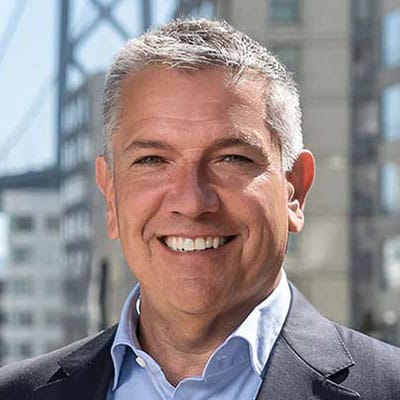
Why vote for Matt Dorsey?
1. Recovery first
Supervisor Dorsey has done more to redirect San Francisco's drug policy toward treatment and recovery than any of his colleagues. His Recovery First ordinance passed the Board unanimously and was signed by Mayor Lurie in May 2025, making long-term remission the official goal of the city's drug programs.
This July, his Drug-Free Housing ordinance passed the Board 7-4, which requires the city to prioritize drug-free options in permanent supportive housing. That's a big change in city policy: today just 42 of the city's roughly 8,500 supportive housing units are drug-free, even though the Health Department reports that 26% of the city's fatal overdoses happened inside supportive housing in 2024, more than died on the street. People in recovery shouldn't be forced to live among drug and alcohol abuse just because they need housing assistance.
He also co-sponsored the RESET Center, which gives people arrested for public drug use an alternative to an ER visit or jail, both connecting people with recovery resources and saving taxpayers money. Dorsey calls it the most important policy shift since the fentanyl crisis began.
2. A fully staffed police force
Dorsey has relentlessly focused on solving SFPD's staffing shortage. The department's own November 2025 staffing analysis counts 1,565 sworn officers against the 2,257 it says the city needs, a gap of 692. His two ballot attempts to close it, in March and November 2024, both failed. He hasn't let up. This year the crisis has finally started to reverse: SFPD received 3,375 applications in 2025, up 40% from the year before, and posted its first net gain in officers since 2020. His second-term plan is a three-year push to full staffing, with civilianized desk jobs putting more sworn officers back on patrol.
3. Safer streets
Dorsey championed bringing speed cameras to San Francisco, and the results came fast: at camera locations, speeding by 10+ mph is down 79% a year after the March 2025 launch, roughly 40,000 fewer speeding drivers a day, and he has introduced a resolution urging the state to let the program expand. He also co-sponsored doubling fines for sideshows.
4. Build more housing
Dorsey voted for Mayor Lurie's Family Zoning Plan, has consistently supported building more homes in every neighborhood, and supports office-to-housing conversions downtown. And we appreciate his economic literacy: he says too-high inclusionary requirements (effectively taxes on new homes to fund subsidized homes) have made projects go "from penciling out to being thrown out."
Where Matt Dorsey stands
| Issue | Matt Dorsey |
|---|---|
| Supports Mayor Lurie's Family Zoning Plan | Yes |
| Fully staff the police department | Yes |
| Arrest and prosecute fentanyl dealers | Yes |
| Supports building market-rate homes | Yes |
| Citywide protected bike lane network | Yes |
| Prioritize buses with bus-only lanes | Yes |
On other issues
Downtown recovery: As the downtown supervisor, he backs Vacant to Vibrant, Downtown First Thursdays, and tax and permitting changes to refill offices and storefronts. He wants to get office vacancy under 20% by 2030, down from a record 36.9% in late 2024. And his West SoMa Entertainment Zone ordinance, which passed in December 2025 and launched this July, lets bars and restaurants across a wide stretch of SoMa sell drinks to go.
Mental health: He supports expanding conservatorship tools and wants San Francisco to work with neighboring counties on regional mental health treatment centers, because streets and jails are the two worst places to leave someone in crisis.
Who's running?
| Candidate | Profession | Questionnaire | |
|---|---|---|---|
Matt Dorsey麥德誠 | San Francisco Supervisor | Read it | |
Alex Behrend亞歷克斯‧貝倫德 | Laborer / Community Organizer | No Response |
We recommend voting for Darshini Patel as your #1 choice for Supervisor, District 8.
Manny Yekutiel has dropped out. He ended his campaign on October 1. His name is still on your ballot, but he is not running.
Patel is with us on housing. She supports Mayor Lurie's Family Zoning Plan: "Nearly 50 years after we downzoned, ending the freeze was necessary," she told Mission Local. She supported lowering the inclusionary housing rate, which Nguyen opposed, and she wants permitting deadlines that escalate automatically when the City misses them.
We also love how she makes decisions. She reads the research and lets the data shape her positions. GrowSF will keep publishing research and polling to help shape City policy, and we're excited to have a supervisor in District 8 who will read it.
Patel worked on social innovation and civic participation in the Obama White House. At DoorDash she helped launch more than 300 markets and built the team that advocated for its restaurants. Her campaign's sibling site, TLDR SF, publishes a city budget explorer and twelve years of Board of Supervisors votes, about 139,000 of them.
When data contradicts what I expected to find, I change my position, not the data.
Darshini PatelCommunity Advocate
](/_next/image/?url=%2Fmedia%2Fheadshots%2Fbos-d8-darshini-patel-08c833f6.jpg&w=3840&q=80&dpl=dpl_8SksBLC8T3EM7XSzqfhi3hNTmYpp)
Why vote for Darshini Patel?
1. Get the rezoned homes built
The state requires San Francisco to plan for 82,069 new homes by 2031. The Controller's Office of Economic Analysis projects that the Family Zoning Plan will add 8,500 to 14,600 homes over twenty years. Patel's housing platform starts from that gap: "Rezoning was necessary, but it's not sufficient alone." Along with enforcing permit deadlines, she would extend the fee reductions that expire this November and build local financing tools that don't depend on federal money.
2. Measure results, then publish them
She wants 311 judged by whether problems come back, not by how fast tickets close, with the results published by district. She says Muni has not published route-level performance data since 2018, and she wants it published again. As she told India Currents, "A metric that rewards activity instead of results will eventually produce more activity instead of better results."
3. Treatment that works
Mission Local scored her a yes on expanding conservatorship, "only as a last resort when it leads to actual treatment." McCoy answered ambiguously and Nguyen said no. She supports CARE Court and wants the treatment capacity built that makes it work. District 8 has zero emergency shelter beds, and she commits to a community process in her first six months to choose a District 8 shelter site.
4. Police work that clears cases
She supports the City's real-time camera network, which she says has assisted 500 arrests. On drugs, her rule is "Arrest dealers. Divert users to treatment. Measure results." She argues that running SFPD on overtime costs more than staffing it properly.
We don't see eye to eye on everything. She would vote against renewing the City's license-plate camera contract, and she has spoken in favor of safe injection sites. She also doesn't want arrest to be the main response to drug use, which falls short of the zero tolerance for fentanyl on our streets that we support.
We never look for 100% agreement with the candidates we endorse. Reasonable people can disagree, and we're proud to endorse candidates who engage honestly with the evidence and bring new ideas to the table.
Where the candidates stand
| Issue | Darshini Patel | Gary McCoy | Michael T. Nguyen |
|---|---|---|---|
| Supports Mayor Lurie's Family Zoning Plan | Yes | Yes | No |
| Lower the inclusionary housing rate | Yes | Hesitated, then yes | No |
| Expand conservatorship | Yes, as a last resort | Not without more beds | No |
| Arrest fentanyl dealers | Yes | Yes | Unclear |
| Zero tolerance for drug use on our streets | No | No | No |
| Supports drug-use sites | Has spoken for them | Yes, a leading advocate | Unclear |
| Fully staff SFPD | Yes | Yes | Yes |
Patel declined our questionnaire, McCoy did not answer it, and Nguyen did not respond. Their positions come from their platforms and Mission Local's coverage of the candidates on Family Zoning, housing, conservatorship, drug arrests, and harm reduction. Nguyen's position on police staffing is from the Bay Area Reporter's endorsement editorial.
Why not the other candidates?
Gary McCoy is unfit for this job.
From March 2023 through April 2024, four clients and one staff member fatally overdosed inside HealthRIGHT 360's San Francisco treatment programs. McCoy was HealthRIGHT's vice president of policy and public affairs the whole time. A state investigation into two of the deaths found the nonprofit had skipped the hourly safety checks its policies required. McCoy still backs drug-use sites, and in 2022 he called for "decriminalizing drugs" and "a safe supply."
In 2002, about a month after he moved to San Francisco, McCoy was arrested at 16th and Mission for possessing and attempting to distribute heroin. That case was dismissed after a drug diversion program and the record sealed. Before that, Virginia court records show he was convicted of felony grand theft and six misdemeanors, and he was jailed for violating probation.
In 2022, he sued journalist Erica Sandberg for $1.9 million over a post she shared on Twitter.
Michael T. Nguyen opposed the Family Zoning Plan, opposed lowering the inclusionary rate, and opposes expanding conservatorship.
Patel rejects the progressive-versus-moderate split and says she is "not running for Supervisor as a step toward another office." District 8 needs a supervisor who will follow the numbers on housing. That is why she has our endorsement.
District 8 uses ranked-choice voting, so you can rank up to 10 candidates in order of preference.
Who's running?
| Candidate | Profession | Questionnaire | |
|---|---|---|---|
Darshini Patel達希妮‧帕特爾 | Community Advocate | Refused | |
Gary McCoy麥佳禮 | Healthcare Policy Advocate | Refused | |
Michael T. Nguyen阮忠誠 | Attorney / Drag Producer | No Response | |
Emanuel "Manny" Yekutiel伊曼紐爾‧「曼尼」‧耶庫蒂爾Dropped out | Small Business Owner | Read it |
We recommend voting for Theo Ellington for Supervisor, District 10.
Ellington has spent more than fifteen years working on District 10's problems. As a City Commissioner at the Office of Community Investment and Infrastructure, he oversaw the redevelopment plans for the Shipyard, Mission Bay, and Transbay. As the Warriors' Director of Public Affairs, he managed the Chase Center partnership that delivered 3,000 jobs. As homelessness director at the Salvation Army, he built a 50-bed mental health respite center and recovery housing. Today he runs the Bayview Opera House.
I'm not running to study these problems. I'm running to solve them.
Theo EllingtonBayview Opera House Director
](/_next/image/?url=%2Fmedia%2Fheadshots%2FBOS-D10-Theo-Ellington.png&w=3840&q=80&dpl=dpl_8SksBLC8T3EM7XSzqfhi3hNTmYpp)
GrowSF didn't exist yet when Theo ran for Supervisor the last time, but our co-founder endorsed Ellington in 2018 as the most pro-housing candidate in that race. Eight years later, he still is.
Why vote for Theo Ellington?
1. Get the 20,000 homes built
District 10 has roughly 20,000 homes approved but unbuilt. They're stuck in the "planning pipeline" at Pier 70, the Potrero Power Station, India Basin, the Hunters Point Shipyard, Candlestick Point, and the former Schlage Lock factory, and Bayview's Third Street corridor has not seen a new home built in over a decade.
Ellington's number one commitment is turning that pipeline into actual homes. "Not approved. Not entitled. Built," as he put it in our questionnaire. He wants public timelines with consequences for developers who get approval and don't build. At Candlestick Point, where the Board approved the final map in June and infrastructure work finally breaks ground this summer after more than a decade of delay, he says that if the project stalls again the city should enforce penalties and look at recapturing or reassigning the land.
He supports letting small apartment buildings up to six stories be built with one staircase instead of two to make them cheaper to build, setting fees at levels that maximize homebuilding, and negotiating local hiring and community benefits up front instead of letting them become excuses to block development. He also wants round two of the Family Zoning Plan to include District 10, which was left out of the first round, and to add housing capacity along Third Street, Evans, and 16th Street.
2. Public safety
District 10 has the highest gun violence rate in the city, and for Ellington it's personal: his 13-year-old cousin was shot and killed in Bayview. He wants both enforcement and prevention. He supports full SFPD staffing and consistent foot patrols on commercial corridors, which the district does not have today. Unlike his opponent DJ Brookter, Theo Ellington supports arresting and prosecuting fentanyl dealers and the leaders of theft rings. And he wants violence prevention and youth programs fully funded, with D10-specific response times, clearance rates, and trust metrics published so residents can see it's working.
3. Finish the Shipyard cleanup
Decades of power plants, freeways, and contaminated Shipyard land have left Bayview-Hunters Point with some of the city's highest rates of cancer and asthma. This hit Ellington's family personally. After he and his wife bought a home at the Shipyard, they learned the soil was not safe, because the contractor hired to certify it had lied. The Ellingtons were one of the two families who brought the 2018 case, which won a $6.3M settlement from the developers for failing to warn buyers. Claims against the contractor itself ended on August 4, 2026, when a federal judge ruled that a nuclear-liability law bars homeowners from recovering for lost property value. As Supervisor he wants full retesting of the fraudulently certified parcels with independent oversight, a proper clean up, permanent public air-quality monitors in Bayview and Visitacion Valley, and real enforcement against illegal dumping.
4. Treatment that leads somewhere
At the Salvation Army, Ellington built the kind of recovery infrastructure the city keeps saying it needs: a 50-bed mental health respite center and recovery-based transitional housing. His rule is simple: never release someone from treatment back onto the street without a stable next step. He would end the distribution of pipes and foil while keeping evidence-backed public health interventions like clean needles, and he supports citations for public drug use paired with a treatment offer at every point of contact.
Where the candidates stand
| Issue | Theo Ellington | DJ Brookter | J.R. Eppler |
|---|---|---|---|
| Fully staff SFPD | Yes | Yes | Yes |
| Arrest and prosecute fentanyl dealers | Yes | No | Yes |
| Prosecute leaders of theft and fencing rings | Yes | No | Yes |
| CEQA exemption for market-rate housing | Yes | No | No |
| Supports state law to speed up home building | Yes | No answer | No |
| Has opposed housing in the district | No | None found | Yes, twice |
On other issues
Transit: He wants the T-Third running every 10 minutes at peak with signal priority, a fix for the Islais Creek Bridge closure, restored late-night service for workers, and an additional Caltrain station with expanded water transit. He is honest that Bayview and Visitacion Valley remain car-dependent, and says bike infrastructure should be built where it genuinely connects people to destinations rather than as a blanket mandate.
Small business: His plan for Third Street and Evans includes guaranteed permits for code-compliant businesses, letting multiple small businesses share storefronts, pop-ups in vacant spaces, and a District 10 Small Business Investment Fund. As he told us, "Opening a business should not feel harder than running one."
Why not the other candidates?
J.R. Eppler is trying to sell himself as a pro-housing candidate, but his record tells the real story. As president of the Potrero Boosters he appealed a 127-home building at 88 Arkansas on a unit-mix technicality the Board of Appeals rejected 4-0. He opposed 450 homes at 300 De Haro, objecting that the project used state pro-housing law. He would also exempt shelters and affordable housing from CEQA but not market-rate housing, which leaves the appeals process intact for most of what District 10 needs. In a district with 20,000 approved but unbuilt homes, a supervisor who supports housing in principle and appeals it in practice is the wrong fit.
DJ Brookter sat on the Police Commission from 2018 to 2021, yet he told us he opposes arresting and prosecuting fentanyl dealers, from street-level sellers to the cartel ringleaders who supply them, and opposes going after the leaders of theft and fencing rings. On housing, he says District 10 has carried more than its share and new homes should go to other districts, and he does not think building more housing is the best way to lower the cost of living. District 10 has the city's highest gun violence rate and 20,000 homes approved but not built. It needs a supervisor who will enforce the law and get those homes built.
Who's running?
| Candidate | Profession | Questionnaire | |
|---|---|---|---|
Theo Ellington艾霖敦 | Public Policy Director | Read it | |
Dionjay (DJ) Brookter迪昂傑‧(DJ)‧布魯克特 | Community Organizer | Read it | |
Deandra Bryant蒂安德拉‧布萊恩特 | Housing Advocate | Read it | |
J.R. EpplerJ.R.‧埃普勒 | Small Business Attorney | Read it | |
Pearci "PJ" Bastiany, III皮爾斯‧「PJ」‧巴斯蒂亞尼三世 | MPA Graduate Student | Read it | |
Ellsworth "Ell" Jennison, Jr小埃爾斯沃思‧「埃爾」‧M‧詹尼森 | Union Carpenter | Contact information unavailable | |
Mike Trouble Lin林育仁 | Small Business Consultant | Read it | |
Jamo Muhammad傑莫‧穆罕默德 | Father | Contact information unavailable | |
Jessica Pessecow潔西卡‧佩塞考 | Nurse / Legal Representative | Contact information unavailable | |
Shawn M. Richard肖恩‧M‧理查德 | Read it |
SF Ballot Measures
Bay Area
Regional Ballot Measures
California
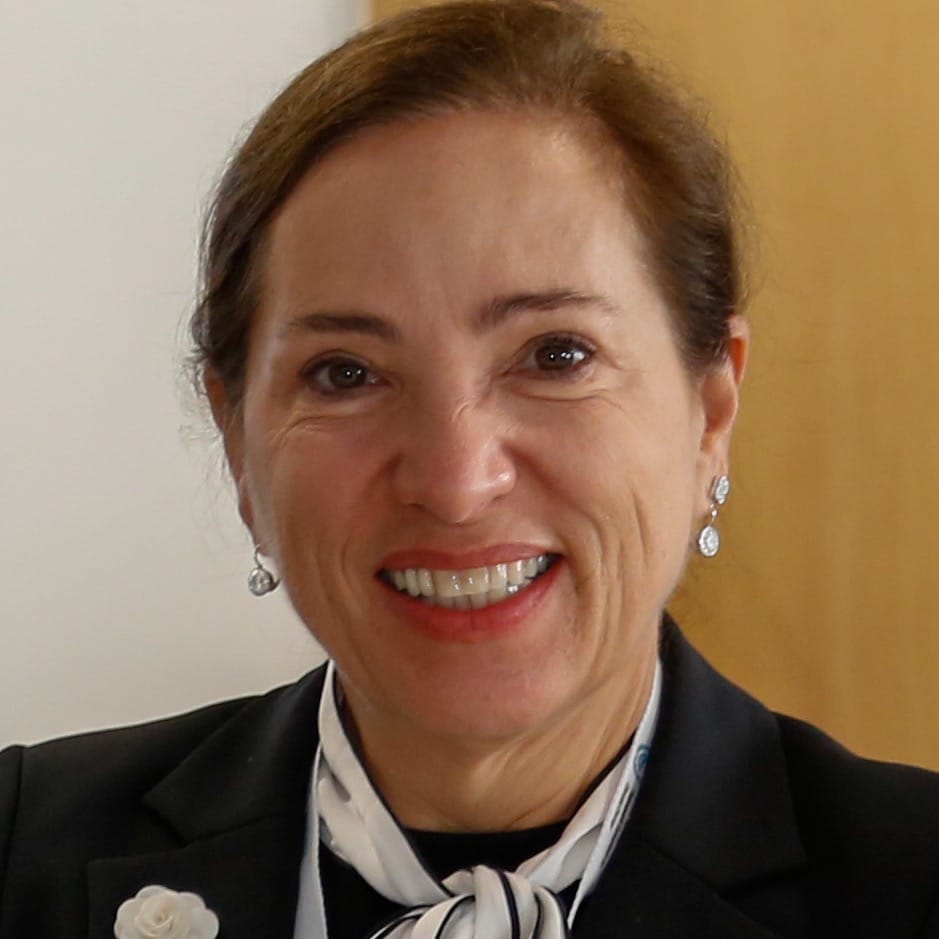
We recommend voting for Eleni Kounalakis for State Treasurer.
The Treasurer chairs CDLAC (which decides how billions in tax-exempt bonds get spent) and CTCAC (which hands out the federal tax credits that make affordable housing possible). If those agencies move slowly, housing doesn't get built. Kounalakis is the only candidate in this race who has actually built housing, financed infrastructure, and managed large-scale investments in the private sector.
Kounalakis named three measurable outcomes voters should use to judge her after two years: more housing units financed through state programs with faster time to delivery, pension returns that meet or exceed benchmarks with improved transparency, and significant growth in CalSavers, CalKIDS, ScholarShare 529, and CalABLE enrollment, especially among working families and underserved communities. That kind of accountability is rare in a statewide race.
I will focus on lowering financing costs, unlocking capital, and partnering with local governments to move projects from approval to construction faster, because affordability depends on supply.
Eleni KounalakisLieutenant Governor of California
On fiscal discipline, she's specific: hold the state's debt-service-to-General Fund ratio at or below 6%, publish a public "California Balance Sheet" dashboard tracking bond debt, pension assets, and investment performance in plain language, and push for stable pension returns with downward pressure on fees. California's heavy reliance on capital-gains tax revenue creates boom-and-bust budget cycles. Kounalakis would align cash management with economic cycles, maintaining liquidity during downturns rather than borrowing at the worst time.
Before entering public life, Kounalakis spent nearly two decades as a housing developer at AKT Development, building master-planned communities in the Sacramento region where thousands of California families now live. She has firsthand experience with the bond financing, tax credit programs, and capital market tools that the Treasurer's office controls. As Lieutenant Governor, she sits on the governing boards of the UC, CSU, and Community College systems, including voting to approve construction of over 60,000 new student housing beds statewide.
The Treasurer's job is about managing the state's money: bonds, investments, pensions, and cash. Kounalakis is the only candidate in this race with private-sector experience doing exactly that. That's why she has our endorsement.
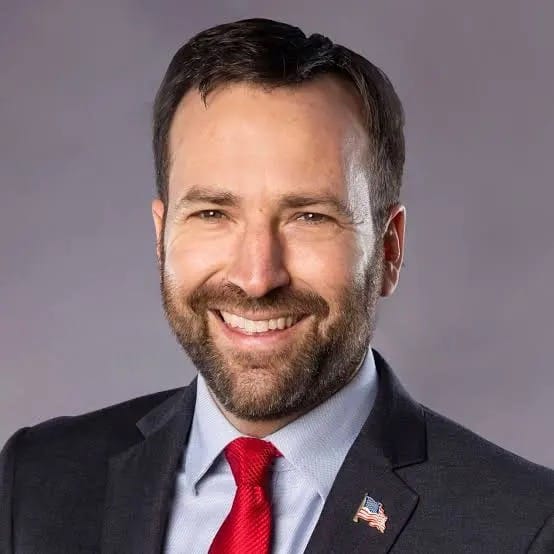
We recommend voting for Ben Allen for Insurance Commissioner. Allen has the experience, knowledge, and track record to fix California's broken insurance market.
In the June primary we endorsed Patrick Wolff while mentioning that Ben Allen was also a good choice. Unfortunately, Patrick Wolff lost, so the November election is a head-to-head matchup between Ben Allen and Jane Kim. We strongly recommend Ben Allen and strongly oppose Jane Kim.
California's insurance market is broken. Insurance companies are leaving the state, the state-run FAIR Plan has blown up to 610,000+ policies (up 154% since 2021), and homeowners in fire-prone areas are getting pushed into a bare-bones backup plan that just asked for a 36% rate hike. The next Insurance Commissioner needs to understand what's actually broken and how to fix it. Only one candidate in this race does.
Why vote for Ben Allen?
Allen has spent over a decade working on insurance, climate, and consumer protection. As a State Senator, he represents the communities devastated by the Palisades Fire, where he spent the aftermath helping hundreds of constituents fight for their insurance claims, an experience he calls "a front-row seat to our broken insurance system." He watched the FAIR Plan nearly collapse under $4 billion in losses from the LA fires, with the costs spread to policyholders statewide through a $1 billion emergency assessment, and he drew the right lesson: letting the FAIR Plan grow unchecked creates systemic risk for everyone.
Standing amid smoke, ashes, and uncertainty, I saw what failure looks like.
Ben AllenCalifornia State Senator
Allen didn't wait for tragedy before acting, though. In 2024, a year before the Palisades Fire, he authored Proposition 4 to authorize a $10 billion bond for wildfire risk reduction and water infrastructure that voters approved. While other candidates talk in vague terms about affordability while dodging questions about their relevant experience, Allen has already put $10 billion to work reducing the risk that makes insurance expensive in the first place.
His plan for the office pairs regulatory flexibility with hard accountability: insurers get more flexibility to price risk accurately so taxpayers won't be forced to bail them out after a disaster, and in exchange they must actually write and renew policies in California. He also wants an independent consumer advocate inside the Department of Insurance, public dashboards tracking insurer behavior, and a ban on Commissioners working for the insurance industry after leaving office. You can read his full plans in his answers to our questionnaire.
Why not Jane Kim?
Jane Kim is a career politician who went from being a San Francisco Supervisor, to losing her run for State Senate, to running a socialist political party (the Working Families Party), and now wants a state takeover of disaster insurance. She has no insurance experience, no insurance license, and no financial services background. She's running on a plan called "Disaster Insurance for All": a government-run program that would replace private disaster coverage. You'd pay a fee to the state, and the state would cover wildfires, earthquakes, and floods. Private insurers would have no reason to stick around. The next big wildfire or earthquake means either a massive taxpayer bailout or a wave of unpaid claims.
In theory, this could work, but it would depend on the state accurately pricing risk. The private market is in a crisis precisely because the state has not let insurers price risk accurately. Kim's plan would make that problem worse, not better.
Her plan reveals a fundamental misunderstanding of what insurance is. Insurance works by pricing risk and spreading it across a big pool. Kim won't commit to pricing risk. When pressed on it, she told Washington Monthly: "I imagine we would look at both value and risk, but one of the goals is to make sure that [coverage] is affordable." This hedging worries economists. Holding rates down for affordability is precisely how you end up not charging for risk. When fire-prone homes don't pay what their risk actually costs, people who live in fire-safe cities like San Francisco pay more. Insurance prices are supposed to make people think twice about building in dangerous places. When that signal is weakened, more people will move to fire-prone areas, more homes will burn, and San Franciscans will pay even more to cover it.
In short, Jane Kim wants to end private disaster insurance and dump everyone into one state-run account that mis-prices the actual risks, then hope nothing bad ever happens.
We've already seen this movie in California. The FAIR Plan, the state's existing backup insurer, got hit with $4 billion in losses from the LA fires, ran out of money, and had to charge private insurers a $1 billion emergency fee just to stay alive. That's with only 610,000 policies. Kim wants to put every California homeowner on a plan like this.
The models she points to aren't success stories either: New Zealand's earthquake insurer was overwhelmed after the 2011 Christchurch quake, underpaid people for over a decade, and is now getting sued.
We are not alone in this read. The San Francisco Chronicle's editorial board endorsed Allen under the headline "One candidate is ready to be California's insurance commissioner. The other would be a disaster." It called Kim "as rash as they come," said her platform is "politically seductive" but "a recipe for disaster," and pointed to her 2016 Prop C, the inclusionary housing rates that supervisors had to cut three times because projects stopped penciling out. Its conclusion: "If Prop C is an example of how Kim would operate as insurance commissioner, voters should run screaming."
This race is a choice between a legislator who has spent a decade on the problem and a candidate whose plan would make it dramatically worse. Ben Allen understands how insurance works and has already done more than anyone in this race to fix it. That's why he has our endorsement.
Who's running?
| Candidate | Party | Profession | Questionnaire | |
|---|---|---|---|---|
Ben Allen本‧艾倫 | Democratic | California State Senator | Read it | |
Jane Kim金貞妍 | Democratic | Attorney/Consumer Advocate | No Response |
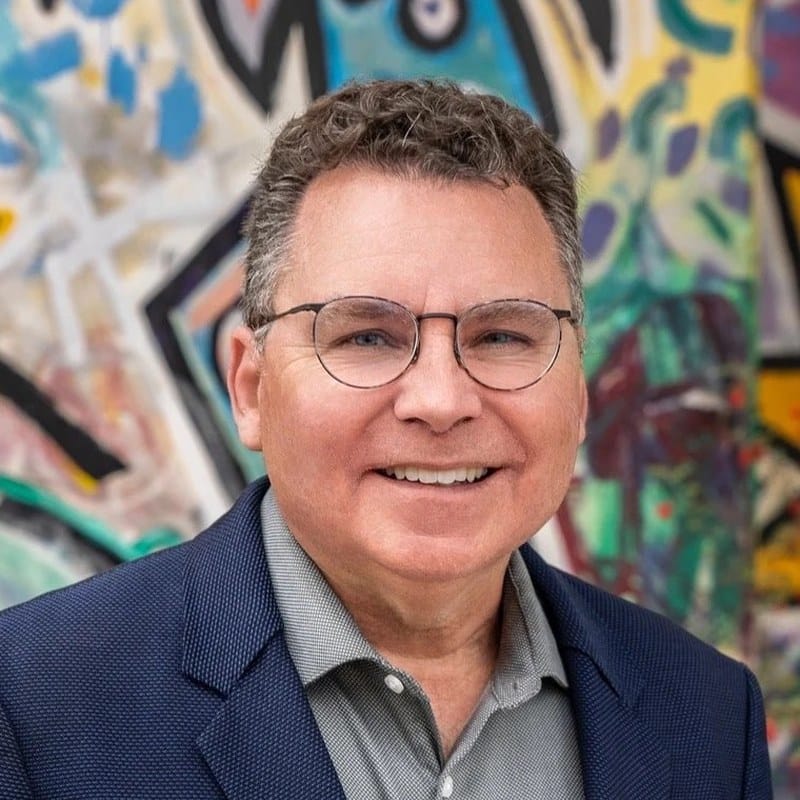
We recommend voting for Richard Barrera for State Superintendent of Public Instruction.
This office matters far less than it did the last time you voted on it. Under the budget Newsom signed in June, a commissioner appointed by the governor takes over the Department of Education from the superintendent on January 15, 2027. Whoever wins this race is sworn in earlier that month and will run the department for a matter of days.
The superintendent gets a vote on the State Board of Education, which grows from 11 members to 13 and decides what students are expected to learn, approves textbooks, and runs the state tests. The office also comes with seats on the boards that run the community colleges, CSU, and UC, and a platform to speak for public schools.
Why Barrera?
Textbook approval is the biggest lever this office has left, and reading is where California is failing. Only 47% of kids read at grade level, and SFUSD is in the bottom 10% of 287 districts. California's answer in 2025 was a phonics law that districts can adopt or ignore. Mississippi went further, moving from 49th in fourth-grade reading in 2013 to about the national average by 2019 by training teachers in phonics, putting reading coaches in struggling schools, and holding back third graders who couldn't read. Richard Barrera calls it "worth studying seriously."
He would have the Board track a short list of statewide outcomes and report publicly on whether they improve, rather than keep adding goals.
California does not suffer from a shortage of goals. It suffers from scattered responsibility and uneven follow-through.
Richard BarreraSan Diego Unified School Board Trustee
At San Diego Unified, Barrera pushed the district to require every graduate to complete the courses needed for UC and CSU admission, and he says the share of Latino students meeting that bar rose from 25% to 70% within a decade. He did that with a district trustee's power to set graduation requirements. This office doesn't have that power, but it does put him on the boards that run UC, CSU, and the community colleges, where those graduates apply next.
Newman was right
In June we endorsed Josh Newman, partly because he was the only candidate willing to say this job should be appointed rather than elected. He was right.
Under the old arrangement the governor-appointed State Board of Education set policy and a separately elected superintendent carried it out, so when results were bad they deflected blame to each other and nobody was held responsible. A December 2025 report from Policy Analysis for California Education found that the split produced overlapping responsibilities and unclear accountability, and recommended putting the department under a director appointed by the Board while the elected superintendent evaluates whether the system is working.
Both candidates opposed the change. Barrera called it an "end-around attempt to take away responsibility from the person that the voters are electing to improve our public schools," and Shaw called it an "unconstitutional power grab." We think they're wrong, though it doesn't bear much on your vote, because neither of them can undo it.
Who's running?
| Candidate | Profession | Questionnaire | |
|---|---|---|---|
Richard Barrera巴雷拉 | State Superintendent Advisor | Read it | |
Sonja Shaw索尼婭‧肖 | School District President | No Response |
State Ballot Measures
Federal
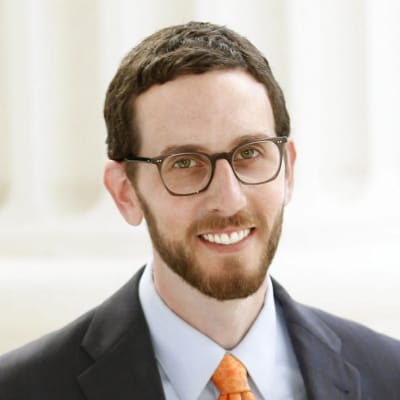
We recommend voting for Scott Wiener for U.S. House of Representatives, District 11.
A note on this race: This is a federal race, but our questionnaire focused only on issues that directly affect San Francisco. Our expertise is in local, city-scale policy, not national or international affairs. We asked each candidate to answer with a San Francisco lens, as someone who would represent the City's interests in Washington.
How the candidates compare
| Issue | Voter support | Scott Wiener | Connie Chan |
|---|---|---|---|
| Supports Mayor Lurie's Family Zoning Plan | 74% | Yes | No |
| Supports drug-free recovery housing | 69% | Yes | No |
| Supports federal funds for police hiring | 75% | Yes | No position |
| Supports a new tax to keep Muni running | 58% | Yes | Yes |
| Supported the 2022 school board recall | 72% | Yes | No |
| Endorsed by California Democratic Party | Yes | No |
Voter support figures come from GrowSF polling (2024 to 2026) and San Francisco election results.
Scott Wiener has spent the last decade as one of California's most persistent and effective pro-housing legislators. As a former San Francisco supervisor and now the state senator representing District 11 (San Francisco), he has built a record on the issues that most directly shape San Francisco's quality of life and cost of living: housing production, transit, and government's ability to actually deliver.
In this field, Wiener stands out because he has already passed big, controversial laws in hostile political conditions, and that matters in Washington, where rhetoric is cheap and follow-through is not. Like every candidate, there are things we don't align with Wiener on, but he's still the best choice for getting results.
Results over rhetoric. My job isn't to maintain ideological purity; it's to improve people's lives.
Scott WienerState Senator, District 11
Why vote for Scott Wiener?
Scott Wiener's top policy goals are:
1. Build more housing to lower the cost of living
Wiener's strongest argument in this race is simple: he has actually passed pro-housing law at scale. SB 35 forced cities that weren't building enough housing to approve qualifying projects automatically. SB 423 extended and tightened that framework. And SB 79, signed in 2025, legalized mid-rise apartment buildings near major transit stops throughout California. Those laws did not solve California's housing crisis on their own, but they changed the terms of the fight, making it harder for cities to dodge their housing obligations and easier to get badly needed homes approved.
But state law can only do so much. The country is short 8 million homes, and Congress controls the federal tools that decide how housing gets paid for and built: tax credits, Section 8 vouchers, and environmental review rules. Wiener wants to expand housing tax credits, fund rental assistance, reward cities that build, and cut through federal red tape. He treats housing as both a building problem and a rules problem. We need someone in Congress who gets how permitting, timelines, and financing keep homes from getting built.
2. Protect transit and urban infrastructure San Francisco depends on
San Francisco's affordability depends on whether people can get around the city and region reliably. In 2023, Muni and BART were staring down a multi-billion-dollar fiscal cliff that threatened service cuts across the region. Wiener built the coalition that kept both systems running by bringing together labor, environmental groups, suburban counties, business associations, and urban riders to win a $5.1 billion state transit rescue that sent $660 million to Muni and BART.
That funding bought time, not a permanent fix. With federal COVID relief exhausted and ridership still well below pre-pandemic levels, Bay Area transit is now facing another fiscal cliff in 2026. BART alone is staring at a $376 million deficit, and Muni faces 50% service cuts without new revenue. Wiener's response was SB 63, the Connect Bay Area Act, which authorizes a regional sales tax measure on the November 2026 ballot that would generate roughly $980 million per year to stabilize transit across five Bay Area counties. He has done this work twice now, and he is not done.
In Congress, he wants to fix how the federal government funds transit, fight for money to keep trains running (not just build new things), and protect clean energy transit programs from getting cut. Too many politicians talk about transit as branding. Wiener has spent years doing the hard work of keeping it alive.
3. A record of governing, not just campaigning
The next Congress will be a difficult environment for a junior Democratic House member from San Francisco. Wiener's argument for why he can still get things done is credible: he has passed over 100 bills in the state legislature, often against powerful opposition. He has authored major laws not just on housing but also on mental-health and addiction treatment coverage (SB 855) and net neutrality (SB 822). That willingness to pick fights, including with his own party, and the discipline to come back with a revised version when a coalition falls short, is exactly what federal legislating requires.
Why not Connie Chan?
Connie Chan started as an aide to Aaron Peskin and has voted like him ever since: against housing, and with the most obstructionist factions on the Board of Supervisors. She actively tried to weaken San Francisco's housing plan at a time when the city desperately needed to build more. She was the only Supervisor to vote against backing Scott Wiener's 2023 bridge toll, which would have kept Muni and BART running. She said it was time to "dismantle and restructure" the police department, and this year she voted against the SoMa sobering center and against drug-free supportive housing. She has no meaningful legislative accomplishments to point to. Sending someone to Congress whose primary skill is saying no is not what San Francisco needs right now.
On other issues
Technology and AI: Wiener started working on careful rules for superintelligent AI in September 2023, three years ago and well before other lawmakers were paying attention. His first attempt, SB 1047, drew opposition from SF tech companies big and small, and Governor Newsom vetoed it in 2024. He came back with SB 53, a narrower transparency bill that drew broader industry support and became the first AI safety law of its kind in the country in 2025, and his federal platform would take it national. We think his California approach was heavier-handed than it needed to be, but he has shown he can regulate Big Tech and still keep the industry at the table. Chan has no AI plan beyond blocking it, and she has not said what rules she would write.
Healthcare and treatment: SB 855 expanded mental-health and addiction treatment coverage, and his campaign platform continues to emphasize lower drug costs and broader access to care.
Civil rights and immigration: Wiener has made LGBTQ rights and immigrant protections a major part of his public record. San Francisco voters care about that, and they should.
Public safety: Wiener opposed Prop 36, which GrowSF supported and nearly 70% of California voters passed. His approach to the fentanyl crisis emphasizes treatment access and federal interdiction funding over the accountability measures GrowSF favors. That's a real difference, but it doesn't change the overall calculus in this race.
Scott Wiener has shown he can pass hard laws on the issues San Francisco most needs solved. Connie Chan has spent her career blocking; Wiener has spent his delivering. That's why he has our endorsement.
Who's running?
| Candidate | Party | Profession | Questionnaire | |
|---|---|---|---|---|
Scott Wiener威善高 | Democratic | State Senator | Read it | |
Connie Chan陳詩敏 | Democratic | San Francisco Supervisor | No Response |
Past GrowSF Voter Guides